
Art Basel Hong Kong 2026: What the Market Is Telling Us
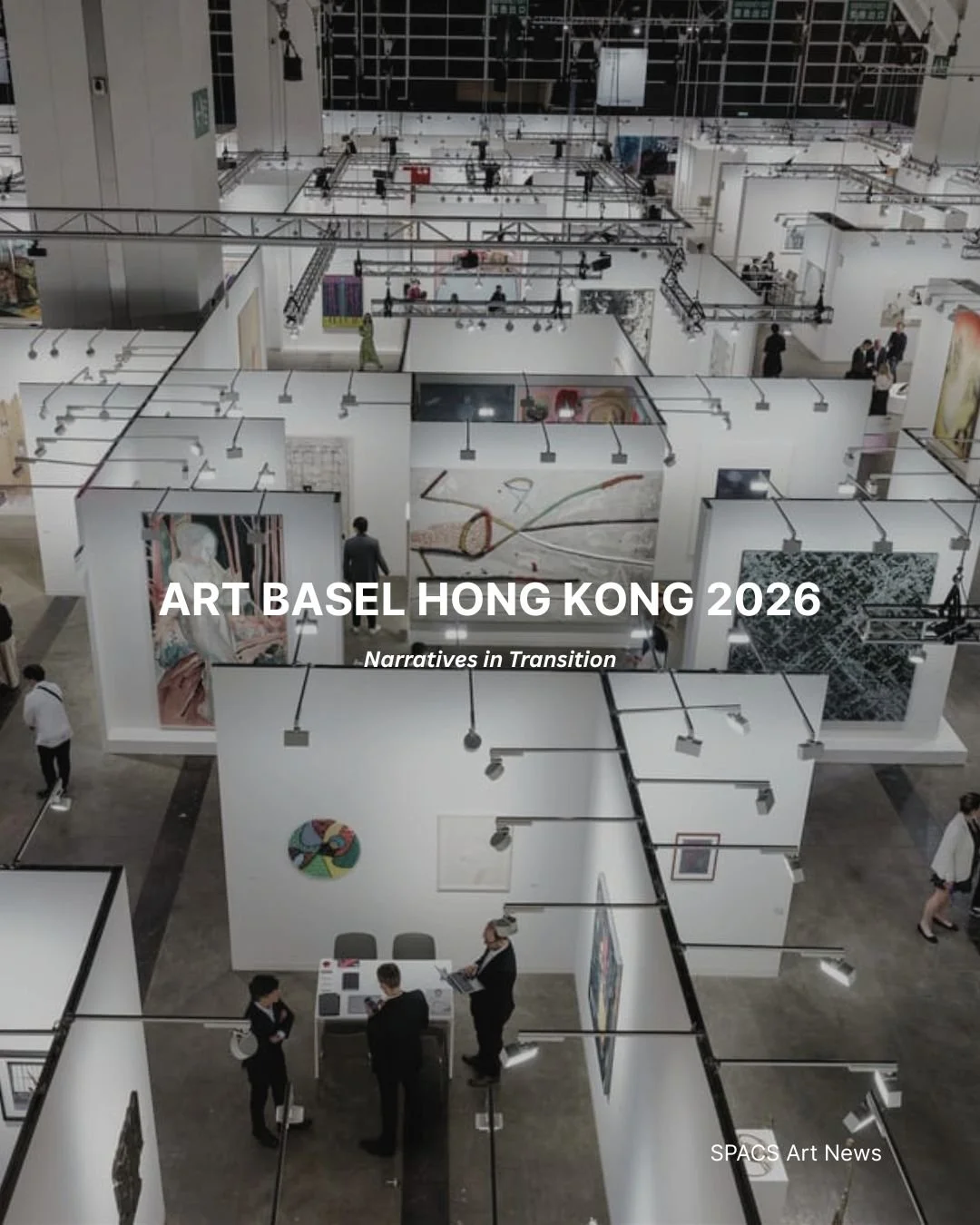
Photo: Art Basel
Asia as author, not participant, shaping its own frameworks through oriental material philosophies such as the Five Elements, alongside decolonial readings of history and hybrid contemporary systems.
Art Basel Hong Kong returns to HKCEC, bringing together over 240 galleries from 41 countries and welcoming 91,500 visitors, reflecting the scale of engagement across both the fair and Hong Kong’s wider cultural landscape.
It is no longer just a regional hub, but a platform actively reshaping the global contemporary landscape. Asia is not fitting into a Western frame, but producing its own points of reference, where value is increasingly generated within local ecosystems before entering global circulation, as seen in the strong institutional and collector demand for Asia-Pacific artists during the fair. A new five year collaboration with Hong Kong’s Culture, Sports and Tourism Bureau (CSTB) further reinforces the city’s position as a leading international art hub.
This year marks a distinct shift, with a stronger focus on curatorial restructuring, global and local dialogue, evolving practices, and the advancement of digital art.
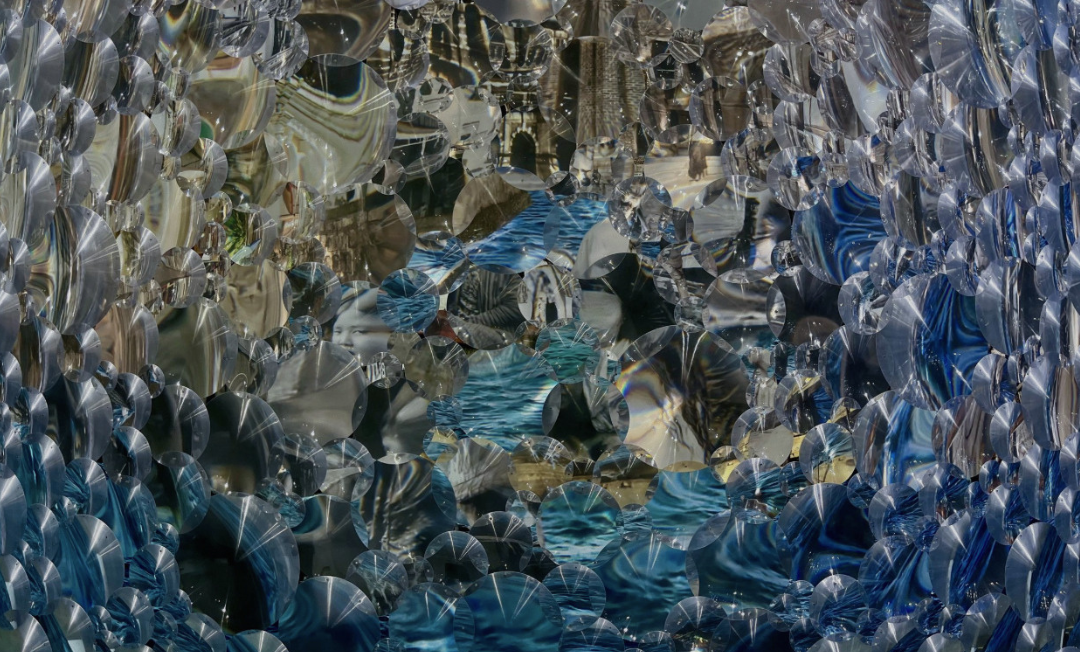
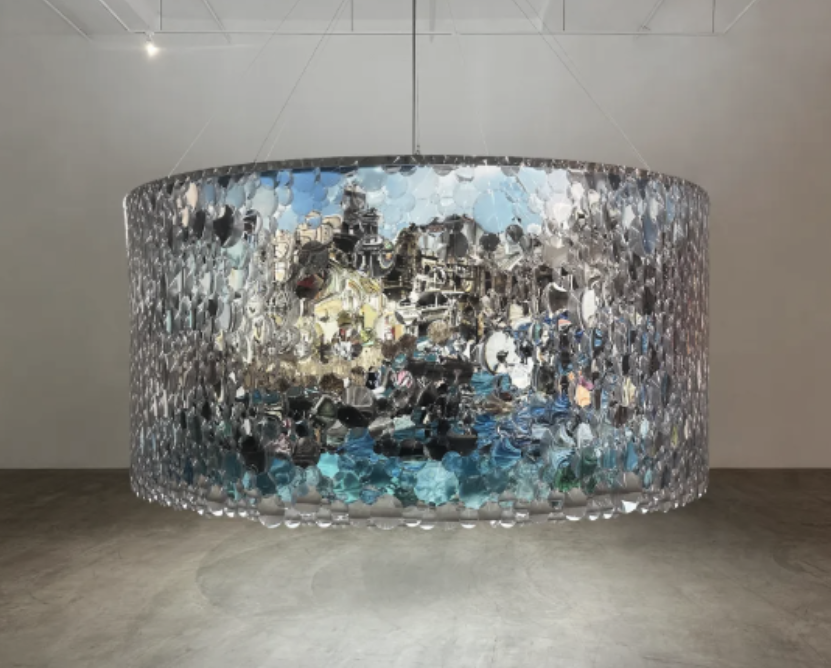
Suzann Victor, City Lantern, 2025Photo: Asian Art Contemporary
Transaction Overview
VIP Preview Highlight
Le peintre et son modèle, Pablo Picasso (1964)
≈ $4.05 million (BASTIAN)Snow White — Liu Ye (2006)
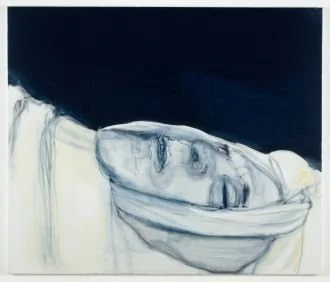
$3.8 million (David Zwirner)The Deceased (Old Man), Marlene Dumas (2006)
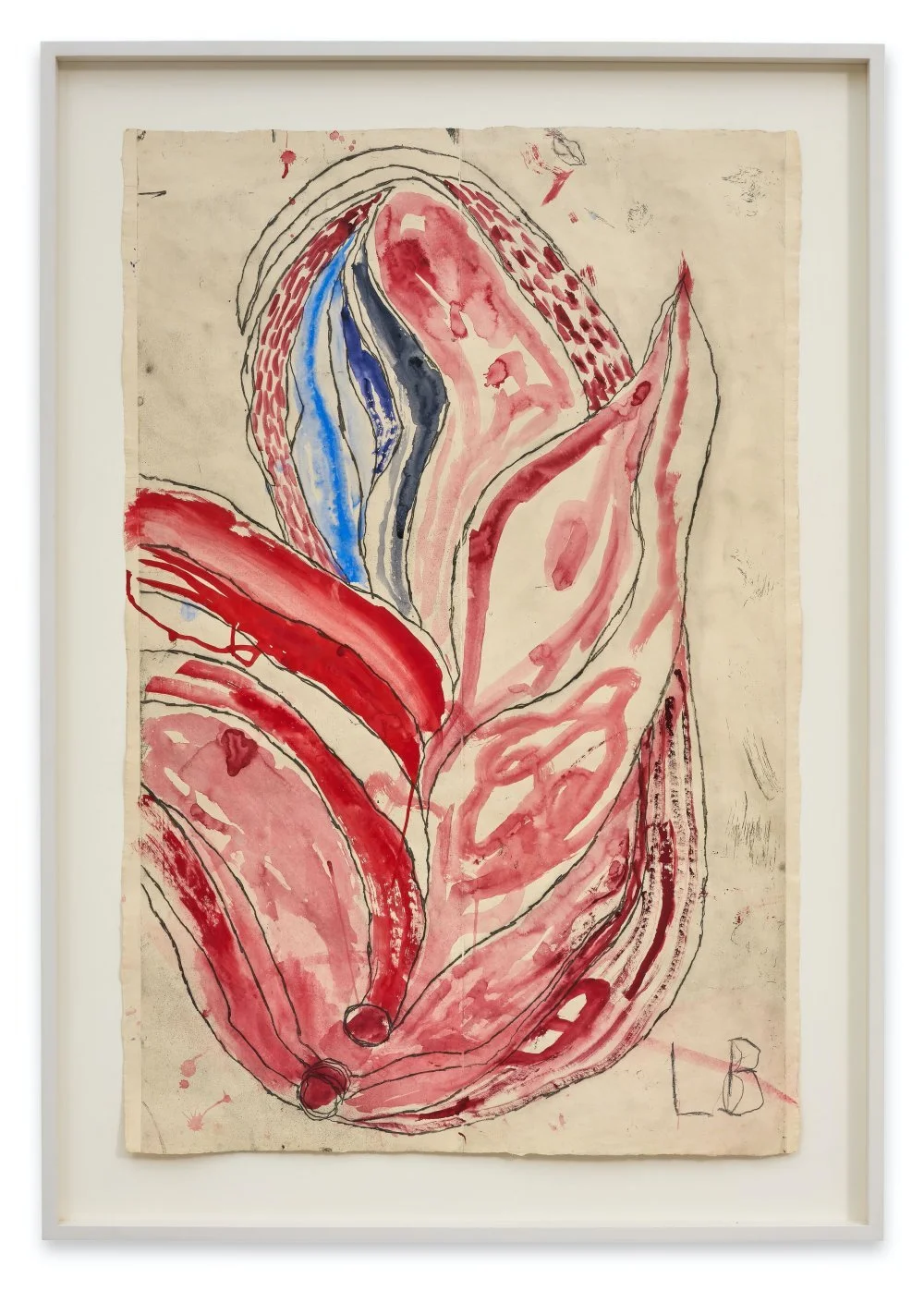
$3.5 million (David Zwirner)À Baudelaire (#1), Louise Bourgeois (2008)
$2.95 million (Hauser & Wirth)
What emerged during the VIP opening was not simply a return of activity, but a broader re-entry of collectors across market segments. Rather than clustering around a narrow band of high-value works, transactions were distributed across multiple pricing tiers, from accessible price points to major acquisitions, indicating that collectors are re-entering at different levels rather than waiting for certainty at the top. Leading galleries, including David Zwirner, Hauser & Wirth, and White Cube, confirmed sales reaching into the seven-figure range.
Galleries reported movement across blue-chip, postwar, and contemporary sectors, but equally significant was the consistency of demand for artists rooted in the Asia Pacific region. This demand felt less reactive and more embedded, suggesting a shift from regional interest to regional confidence. At the same time, interest in cross-media practices, including textile, installation, and digital work, reflects onward context-driven and interdisciplinary acquisition strategies.
The placement of Snow White by Liu Ye signals continued institutional alignment with artists who operate between local identity and international visibility, while The Deceased (Old Man) by Marlene Dumas reinforces the role of blue-chip works as stabilizing anchors within the market. Alongside Le peintre et son modèle by Pablo Picasso, these transactions reveal a collector behavior that moves between historical canon and contemporary production without treating them as separate categories.
Perhaps most telling is the activity within the mid range and entry level segments, with transactions spanning roughly from $3,600 to $40,000, signaling growing confidence in emerging and mid career practices. At the same time, blue chip works continue to operate within the hundreds of thousands to multi million dollar range, anchoring stability while the mid tier drives the market’s expansion.
This activity was further reinforced by the fair’s revitalized VIP program and the launch of Friends of Art Basel Hong Kong, developed in collaboration with regional institutions such as He Art Museum and Rockbund Art Museum, and reflected in the presence of over 170 museums and foundations from 27 countries and territories.
When engagement extends across price points, it signals not caution, but a shift toward investing in the market’s future.
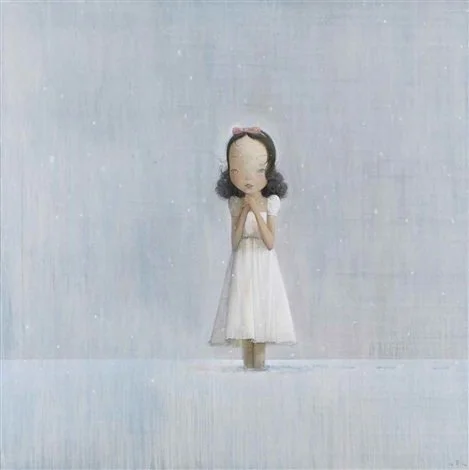
Liu Ye, Snow White, 2006, Photo: artnet
Marlene Dumas, The Deceased (Old Man), 2006. Photo: Peter Cox / Marlene Dumas
Louise Bourgeois, À Baudelaire (#1), 2008. Photo: Jon Etter /The Easton. Foundation/VAGA at ARS, NY. Courtesy The Easton Foundation and Hauser & Wirth
Curatorial Restructuring
From singular vision to collective friction
Encounters adopts a four curator collective for the first time, with Mami Kataoka, Isabelle Tam, Alia Swastika, and Hirokazu Tokuyama replacing the single curator model and introducing regionally diverse perspectives beyond a Western framework.
Large scale installations are no longer defined by spectacle alone, but structured through thematic systems such as the five elements, allowing works to enter into dialogue rather than exist in isolation.
This shift strengthens institutional alignment and reshapes the market. Curators are no longer limited to interpretative framing, but actively shape institutional visibility, acquisition pathways, and market positioning. As biennial scale installations enter the fair, collecting shifts from standalone objects to conceptual ecosystems. What is being acquired is not only the work itself, but its context, references, and institutional trajectory.
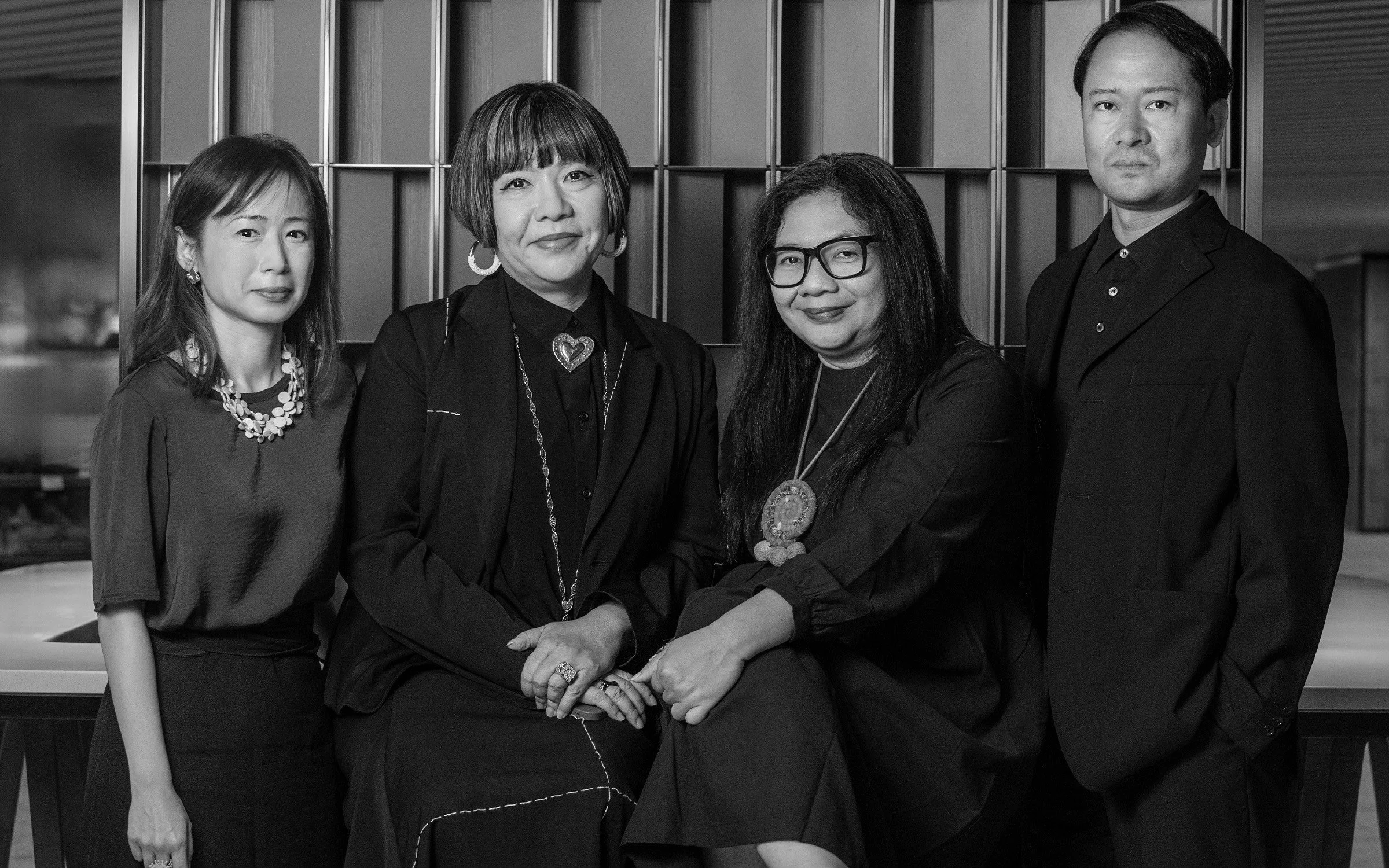
Isabelle Tam, Mami Kataoka, Alia Swastika, and Hirokazu TokuyamaPhoto: Art Basel
Reframing the Global Through the Local
Subtle Narratives Shaping Contemporary Practice
Not representing Asia, but expressing it from within, the fair shifts from regional framing to situated perspective, bringing local histories into active dialogue with global contexts. Meaning unfolds through material, memory, and fragments, where place becomes displaced and absence carries weight.
Local conditions translate into shared emotional registers, often articulated through quiet scenes of stillness and leisure, where tension is not declared, but subtly held. Rather than producing spectacle, many works operate through restraint, asking the viewer to slow down rather than react.
The city-wide Public Program extends beyond the exhibition hall into Hong Kong itself, grounding the fair within its local environment while expanding its reach outward. Through film, conversations, and collaborations, local perspectives are positioned on a global platform, accessible to an international audience.
In this sense, the fair operates not only as a site of display, but as a system of exchange. The city becomes the interface through which local histories move across global conversations, not as translation, but as parallel narratives unfolding simultaneously.
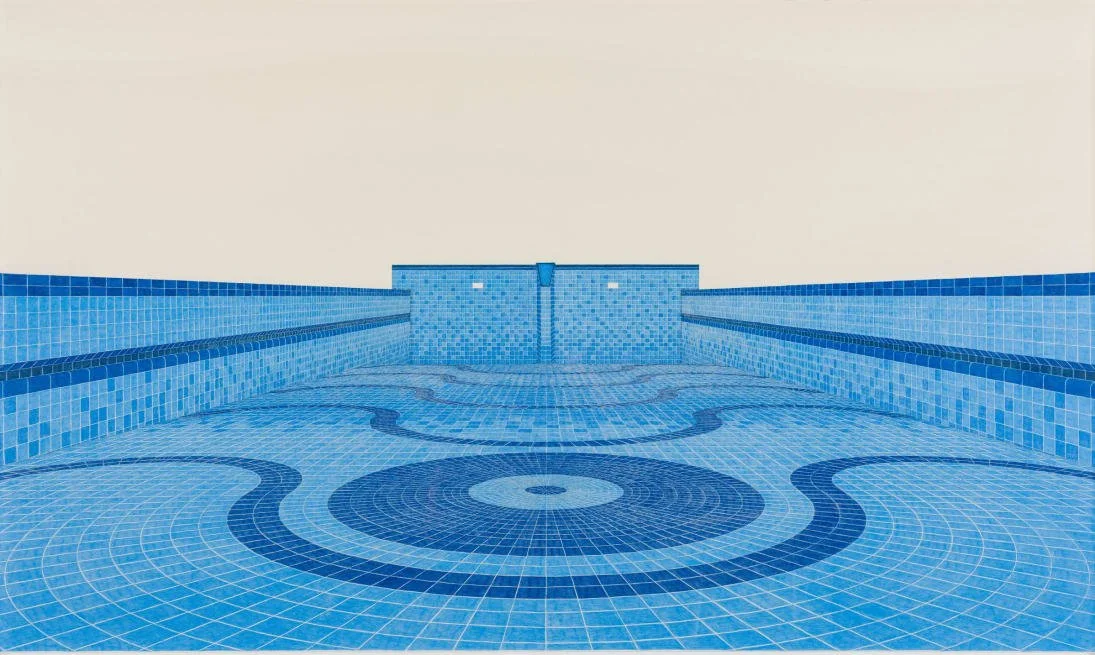
Chan Wai Lap, You come to me on a summer breeze - Budapest 3, 2024-2025
Photo: Courtesy of the artist and Gallery Exit
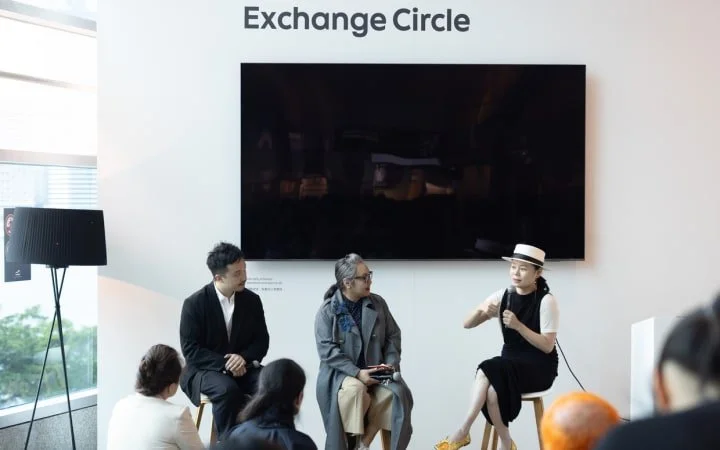
Art Basel Hong Kong 2026 Exchange Circle
Photo: Courtesy of Art Basel
Featured Sectors - Echoes
Echoes is a new sector centered on works produced within the past five years, foregrounding practices that engage directly with the immediacy of the present. Rather than offering a broad survey, it distills the current moment into focused dialogues, where recent works reflect how artists respond to shifting cultural, technological, and geopolitical conditions.
These works act as direct responses to present-day urgencies, from geopolitical tensions to environmental crises, emerging within a condition of post-globalism, where systems are increasingly fragmented and continuously renegotiated.
For collectors, this shifts value toward immediacy rather than historical distance. Works are engaged as part of an ongoing process, where relevance is shaped by proximity to current conditions. Echoes becomes a lens through which the present is not only observed, but continuously negotiated.
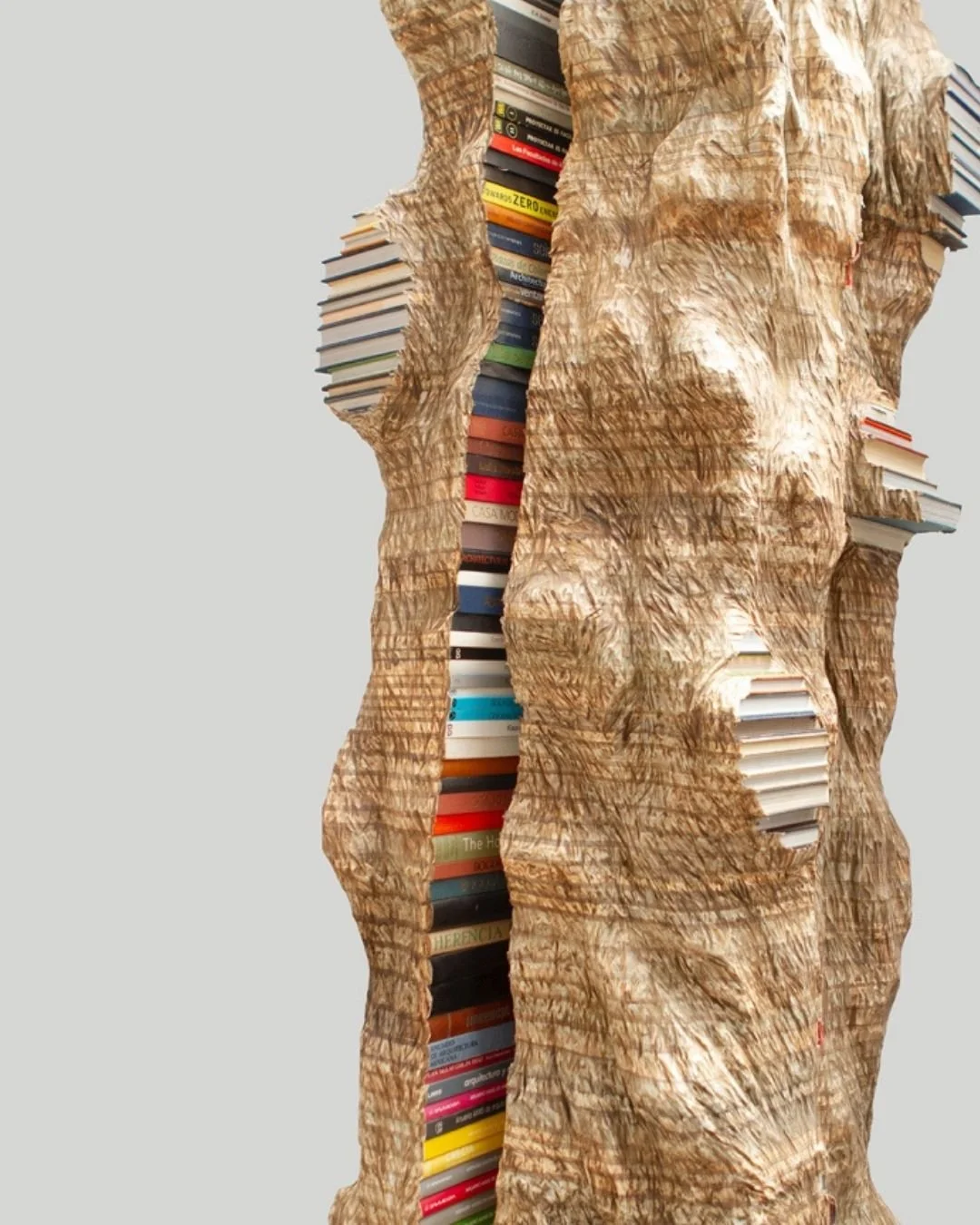
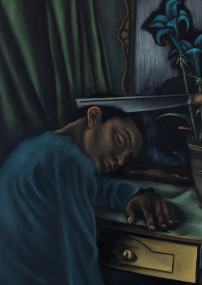
Daniel Boyd, Untitled (AMFOSL), 2025. Loss of Cultural Memory and Identity. Photo: Artsy
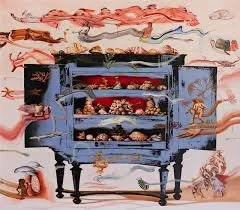
Kei Imazu, Curiosity Cabinet from Ambon, 2022. Colonial Knowledge Systems.Photo: Tokyo Opera City Art Gallery Archive
Lewis Hammond, Credo, 2025Loss of Cultural Memory and Identity. Uncertainty and Disorientation.Photo: Andrea Rossetti / Arcadia Missa
Zero10
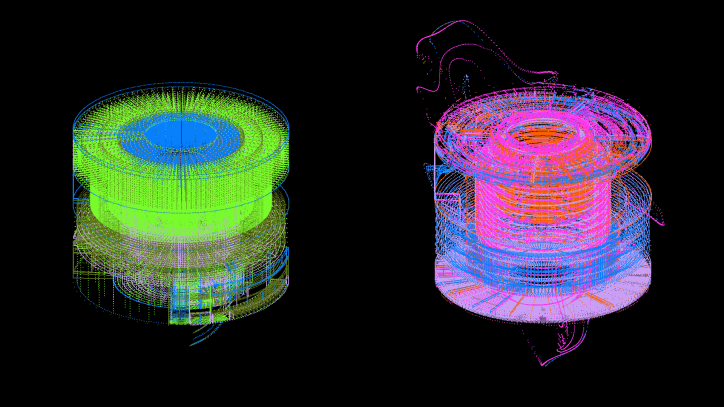
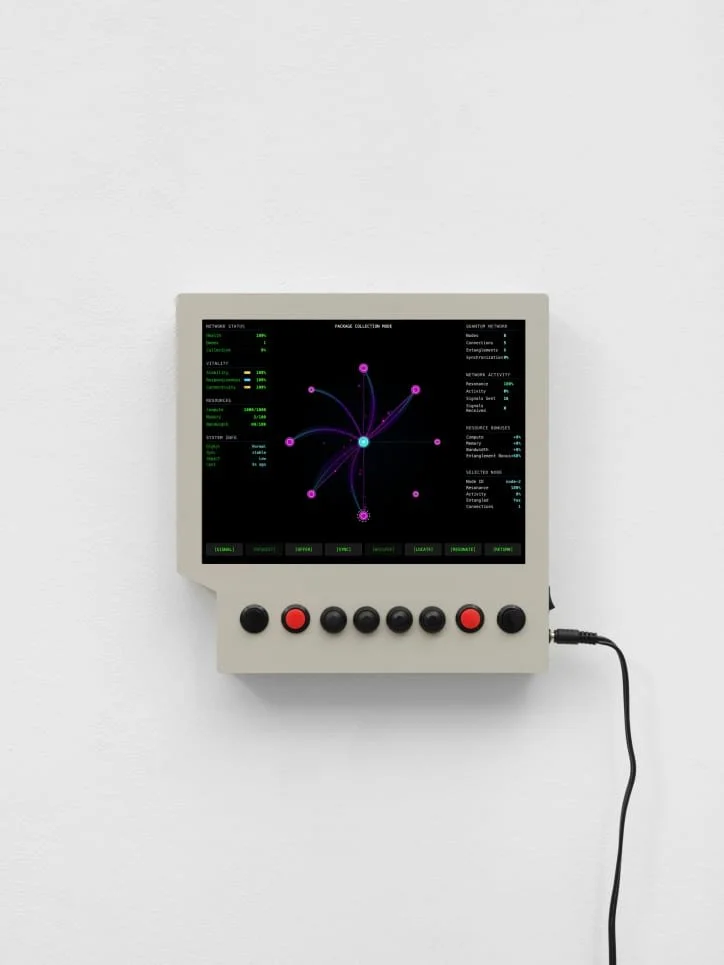
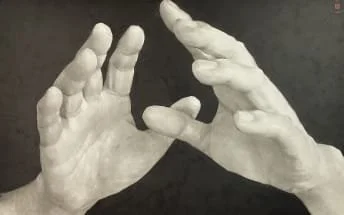
Following its debut in Miami, Zero10 enters Asia for the first time, referencing Malevich’s 0.10 Exhibition and its historical shift in artistic language. In its current form, however, the focus moves decisively away from speculation and toward infrastructure.
Across blockchain, AI, digital animation, and new media sculpture, the sector reflects a market that is no longer driven by novelty alone, but by increasingly defined systems of ownership, display, and circulation. Platforms such as Ethereum and Tezos underpin tokenized ownership, while marketplaces like OpenSea and Objkt structure liquidity and visibility.
This signals a shift toward hybrid collecting, where physical and digital works no longer operate as separate categories, but within a shared system of value and exchange.
What defines the sector in 2026 is not full maturity, but operational legitimacy. Systems of authentication, ownership, and liquidity are no longer speculative frameworks, but active conditions shaping how digital works are positioned, transacted, and absorbed into the broader market.

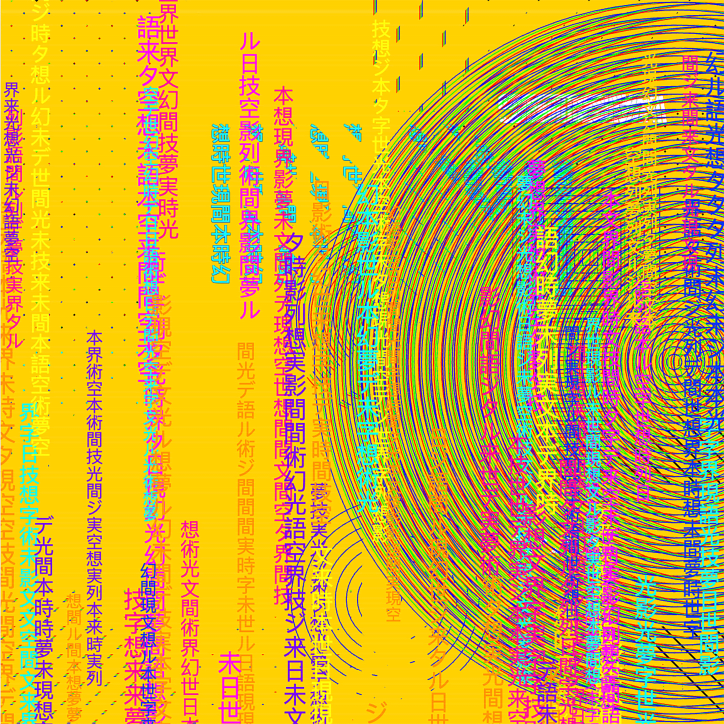
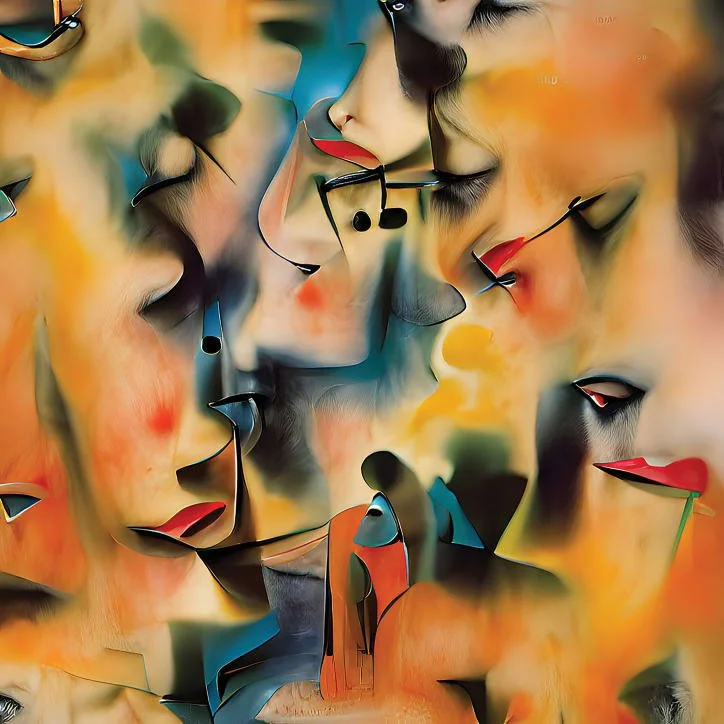

Nguyen Wahed | Kim Asendorf
Onkaos | Robert Alice
Office Impart | Jonas Lund
Asprey Studio | Seneca, Qu Leilei, Tim Yip
BottoDAO | Botto
Art Blocks | Harvey Rayner
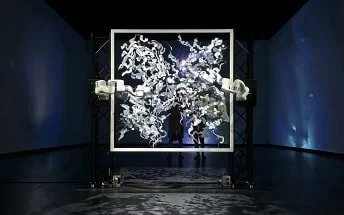
Fellowship & ARTXCODE | Sougwen Chung
TAEX | Kevin Abosch
OLOS | Laurie Simmons, Petra Cortright
Within accelerating market systems, shifting global contexts, evolving curatorial structures, and maturing digital frameworks, art no longer remains fixed, but is continuously viewed, translated, and redefined across multiple conditions.
“Whatever it is, the way you tell your story online can make all the difference.”
Proximity is the new center.
Capital is returning to Asia Pacific, not only as investment, but as attention. Driven by technology, artificial intelligence, and shifting economic momentum, the region is entering a new cycle, one that is beginning to reshape how and where cultural value is formed.
This marks a geopolitical pivot, where proximity disrupts the traditional model of validation, no longer requiring Asian artists to be recognized in London or New York before gaining legitimacy at home.
Collectors are no longer looking outward first. Increasingly, they are engaging within the region, where circulation feels more immediate and connected. Geography is becoming less about distance and more about proximity of networks.
A new generation of collectors is reshaping how value is understood, placing greater emphasis on immediacy and context. In this shift, Art Basel Hong Kong becomes a space where local histories and global perspectives meet, allowing culture to evolve through ongoing exchange, a trajectory that continues as the fair returns from 25 to 27 March 2027.
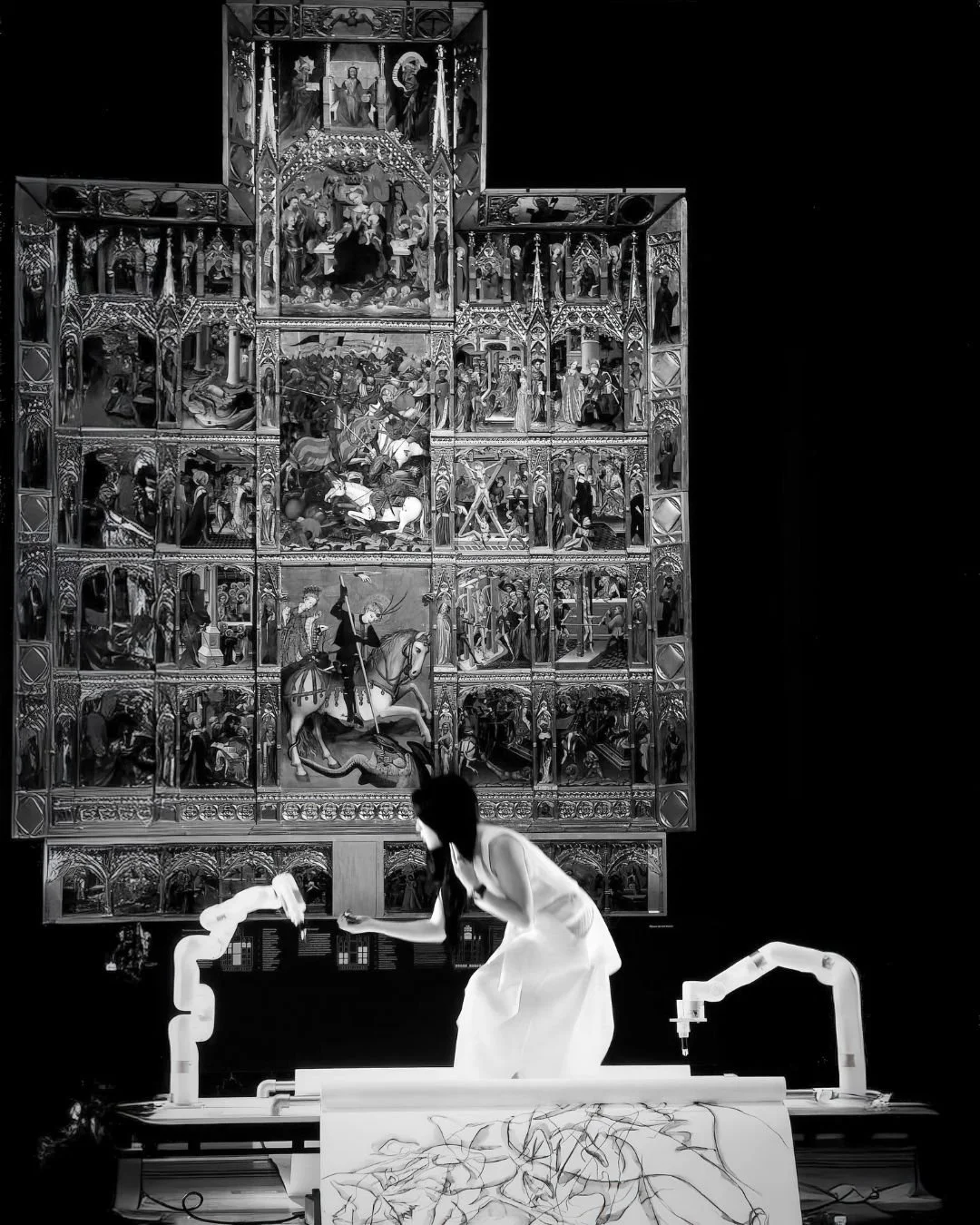
ECOLOGIES OF BECOMING-WITH
performance, Sougwen Chung, 2024
Photo: Courtesy of the artist / Flaunt Magazine
Credits & Sources
Visuals: Courtesy of artists, galleries, Art Basel, and selected media sources
Market Data: Quantitative analysis synthesized from Art Basel & UBS, The Art Newspaper, Artlyst, Art Emperor, artnet, and Artsy.
Digital Insights: Infrastructure and provenance data via OpenSea and Objkt.